Skip to content.

Berkeley Engineering

Educating Leaders. Creating Knowledge. Serving Society.

You are here: Home
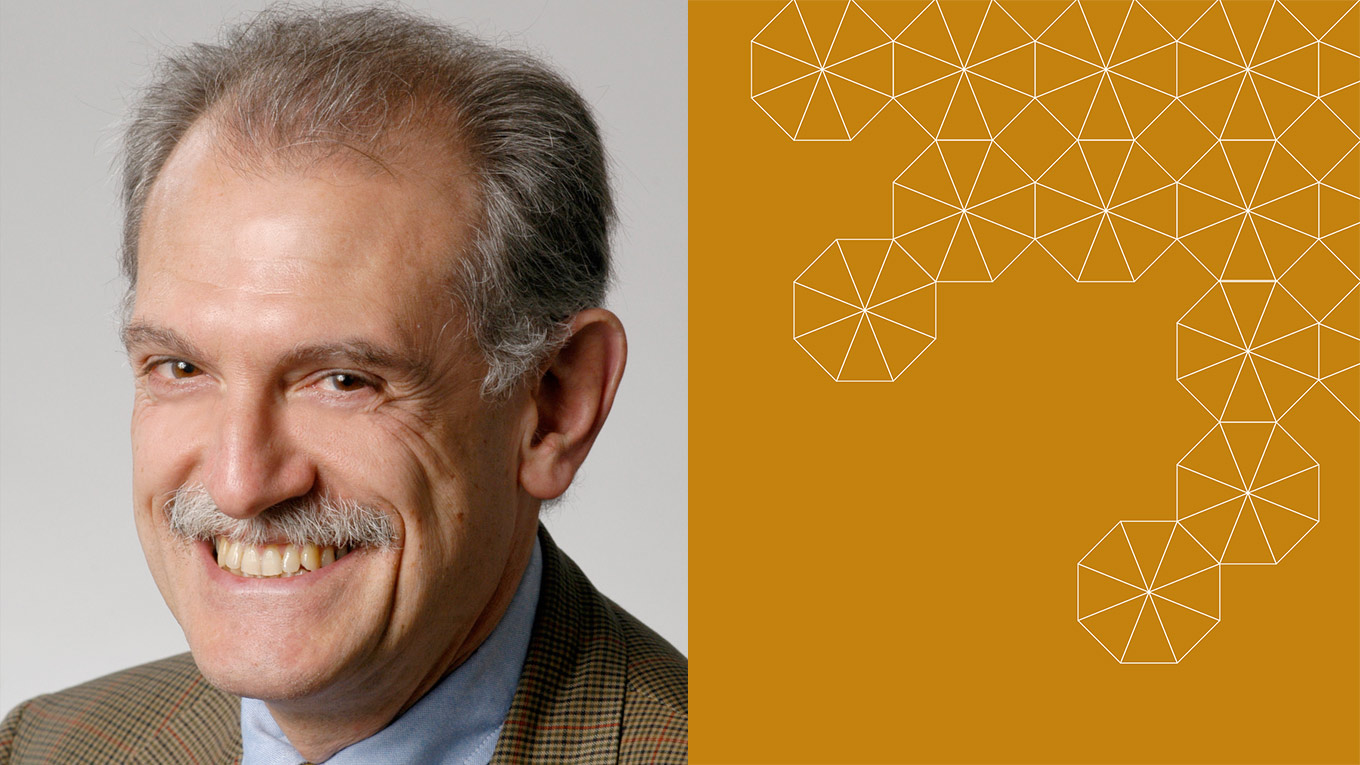
2010 Commencement Ceremony
2010 Commencement Ceremony image

Congratulations Class of 2010

The Hunt for a High-Energy, Low-Wattage Workout
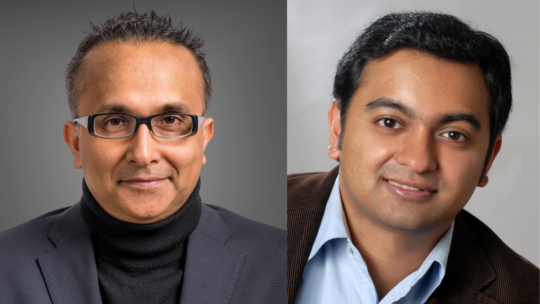
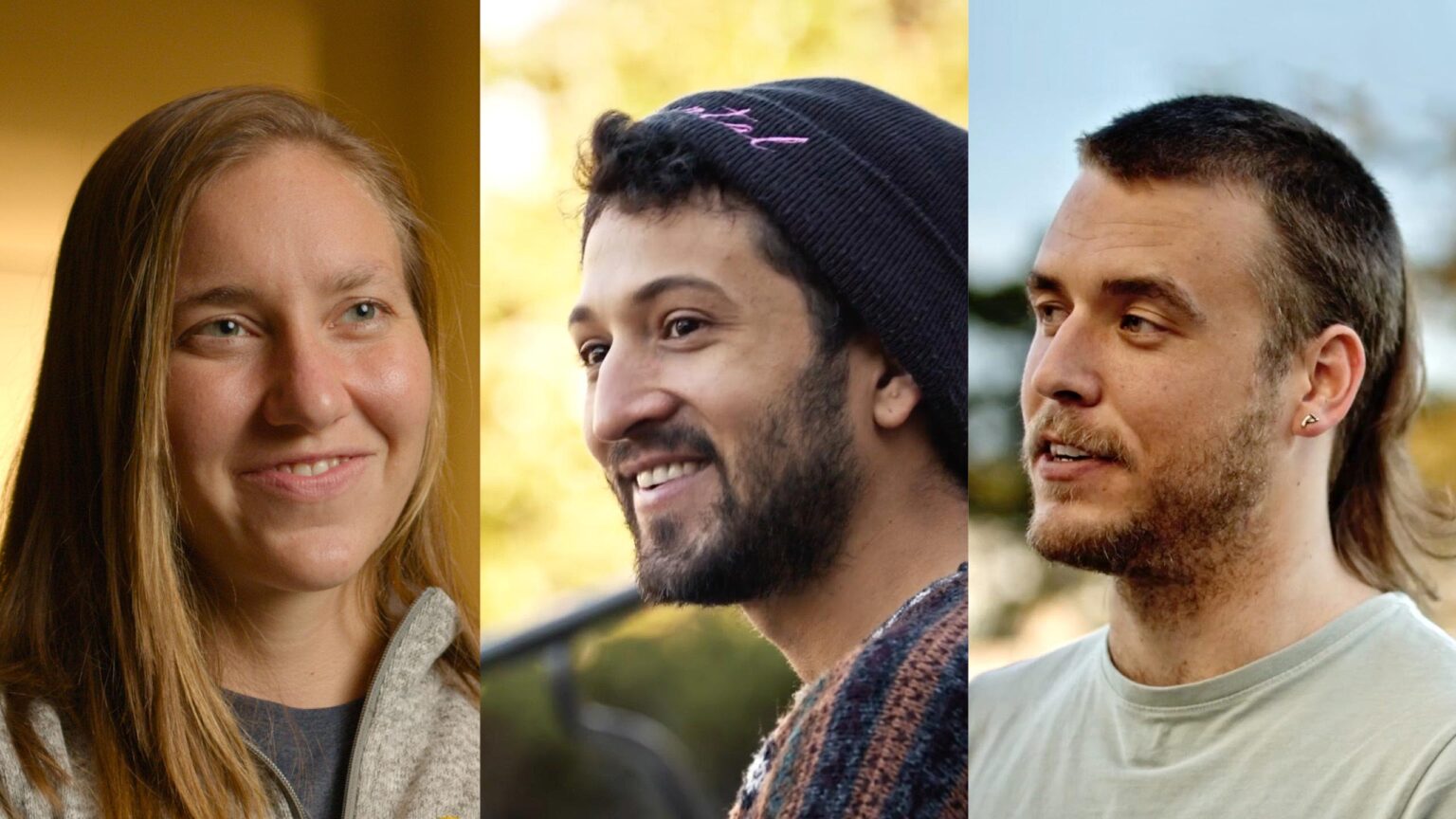
Kimberly Lau and Maha Haji

Human Power Generation in Fitness Facilities Project

Mechanized marvels
Mechatronics video still

Mechatronics class demonstrations

Berkeley Engineering Today

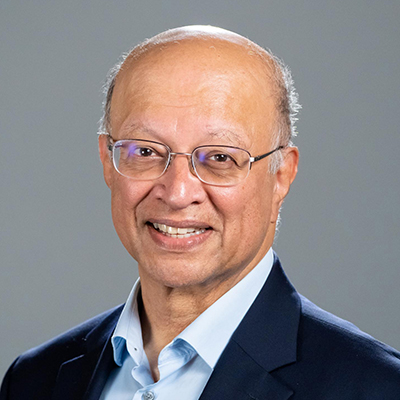
In May, when Chancellor Robert Birgeneau needed someone to lead the program office for the next phase of Operational Excellence, he dialed up Albert "Al" Pisano, a Berkeley Engineering faculty member since 1983. Pisano, a former chair of the mechanical engineering department and then-acting dean in the College of Engineering, is the FANUC Chair of Mechanical Systems, with a joint appointment to the Department of Electrical Engineering and Computer Sciences. "The most important thing about this job is that if we're successful, we're going to be able to direct more money into our core mission, which is teaching and research," he declares. "And in an era when the state just isn't able to give us everything that we really need to do the job, you have to find a way to redirect those funds."
Hewlett-Packard said Tuesday that it would commercialize a new computer memory technology called memristors with Hynix, the South Korean chip maker. The agreement to build the memory chips validates the work of Leon O. Chua, a UC Berkeley electrical engineering professor. In 1971, he proposed a fourth basic circuit element (the other three are the resistor, capacitor and inductor) and called it a memristor, or memory resistor, as a simpler alternative to transistors that would allow more computer memory to be packed in even smaller devices.
More 3D movies than ever are in theaters now and manufacturers are selling 3D TVs. Yet surprisingly little is known about the effects of stereo vision on our brains. Researchers at Berkeley are applying cutting-edge technology to find out what happens when 3D is not produced correctly. UC Berkeley Visual Science Professor Martin Banks' lab is breaking new ground in studying the way we perceive depth. Enabling test subjects to see two screens at once using mirrors, his team has established some of the things that lead to bad 3D.
This month's 60-mile traffic jam in China has demonstrated a frustrating truth about traffic: It is far easier to measure than mitigate. Mathematicians, engineers and planners are making steady advances in assessing traffic congestion and explaining it, but traffic math's strides in reducing congestion are modest, simply because the number of cars often exceeds roadway capacity. If population and the economy keep growing, "there is absolutely no way congestion can stop increasing," says Alex Bayen, an associate professor of systems engineering at UC Berkeley.
New Orleans barrier Aug 27, 2010 National Public Radio
New Orleans may still be vulnerable to major storm
Many believe that one of the worst disasters in U.S. history - the flooding of New Orleans - wasn't caused by Hurricane Katrina but by the failure of the flood protection system. Five years later, billions of dollars have been spent to protect the city, but the new flood protection system still leaves New Orleans vulnerable to a major storm. Robert Bea, an engineering professor at UC Berkeley, has spent some 14,000 hours studying New Orleans flood protection since Katrina, and believes that even with the new upgrades, the levees and floodwalls are inadequate, more of a "patchwork quilt" than a true flood protection system.
A UC Berkeley team has been awarded a $2 million National Science Foundation grant for research on biologically-inspired technologies for grey water reuse and thermal energy management that may propel sustainable building into a new era. Included on Berkeley's award-winning, interdisciplinary research team are Luke Lee, Lloyd Distinguished Professor in Bioengineering, and Slawomir Hermanowicz, a professor of civil engineering renowned for his research involving biological water and wastewater treatment processes.
Plants, dirt, birds and fish have all been enlisted to clean Discovery Bay's wastewater as part of an experimental constructed wetland project. Facing $100,000 in fines for copper contamination, the town three years ago partnered with University of California Berkeley scientists to determine whether the latest advancements in artificial wetlands could help clean the town's sewage. The one-of-a-kind project was a success - it reduced copper in the test pond by as much as 90 percent. "In Discovery Bay, they're way ahead of everyone - they're really trendsetters," said Alex Horne, professor of ecological engineering at UC Berkeley and an expert in the field.

Visit the News Center for more stories